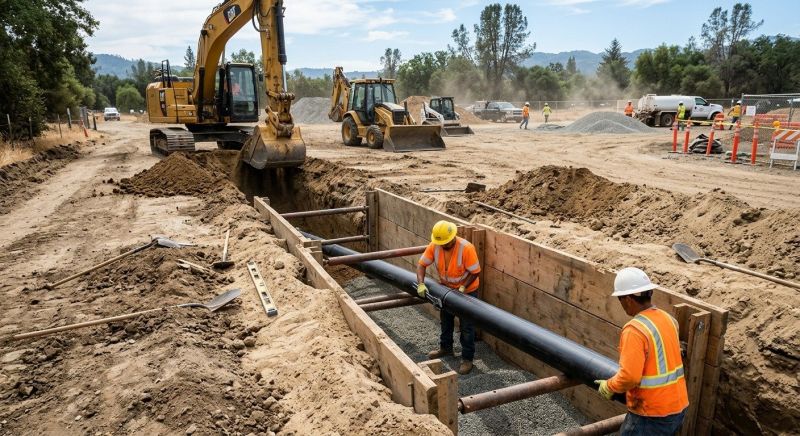
Gas Line Excavation in Salt Lake City, UT
Gas line excavation services involve the careful digging and installation of underground pipelines used for natural gas distribution within residential properties. This service is essential for projects such as installing new gas appliances, upgrading existing lines, or repairing damaged pipelines. Property owners should understand the scope of excavation work required, including site preparation, depth of digging, and safety considerations, to ensure the project aligns with local codes and regulations.
Before requesting gas line excavation, homeowners typically want to know about the process involved, potential disruptions, and the importance of professional handling to prevent leaks or accidents. It’s also helpful to clarify the location of existing utility lines to avoid damage during excavation. Proper planning and coordination with experienced professionals can help ensure the project proceeds smoothly and safely, providing reliable gas service for years to come.
Many property owners in Salt Lake City, UT look into Gas Line Excavation for repairs, replacements, upgrades, and appearance-related improvements.
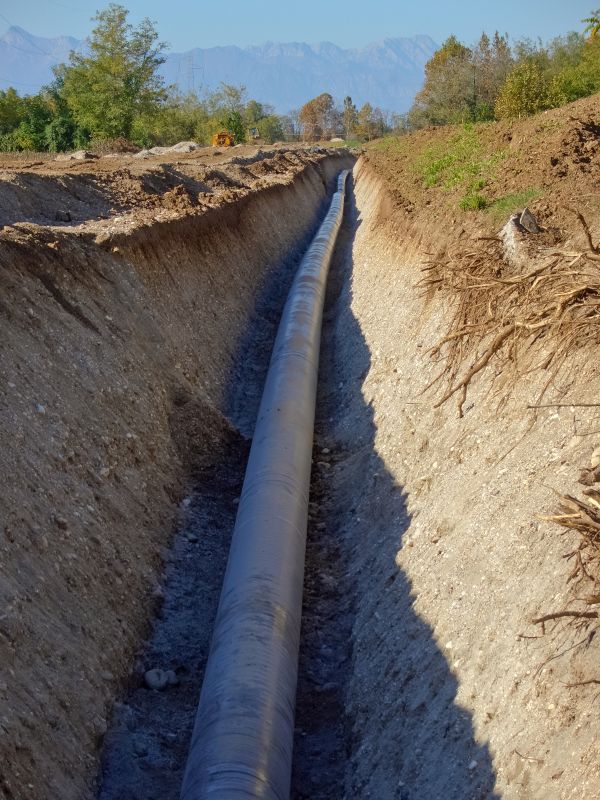
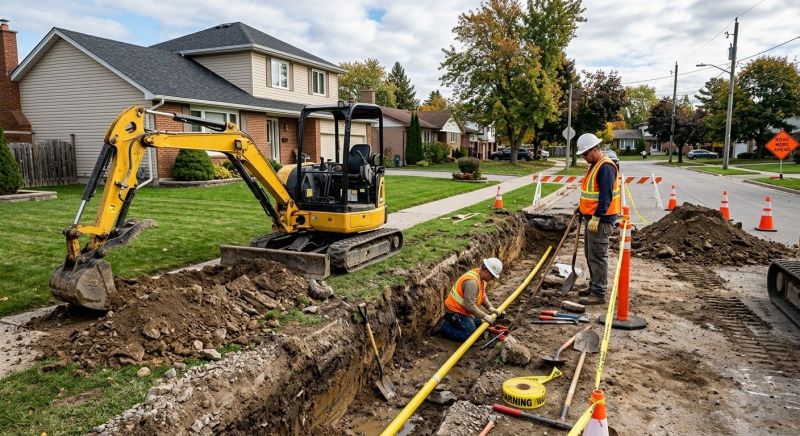
Gas Line Installation
Proper excavation is essential for safe and efficient gas line installation in residential properties.
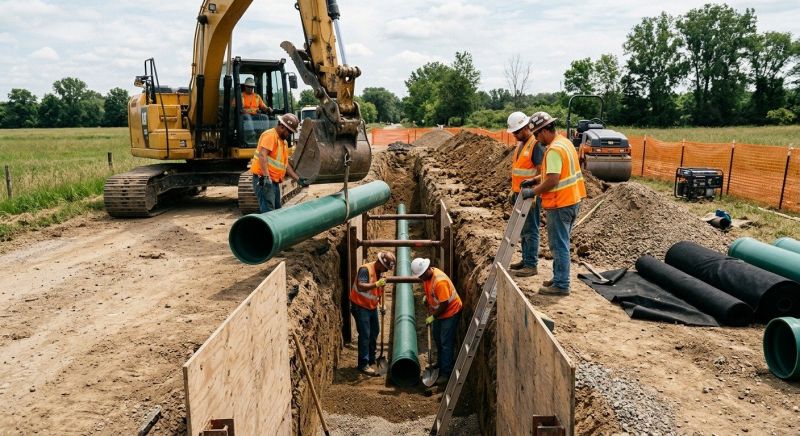
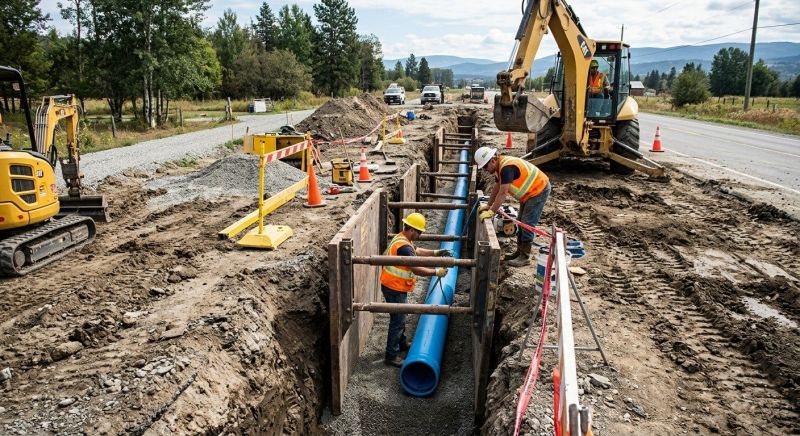
Underground Utility Work
Excavation services help access and prepare underground utility lines for maintenance or upgrades.
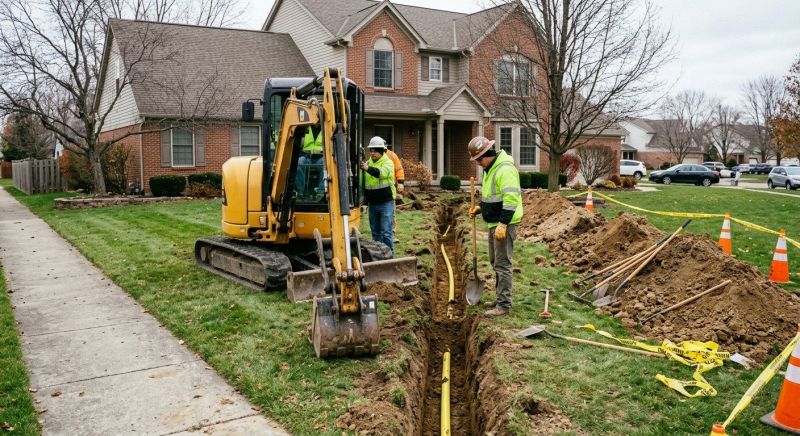
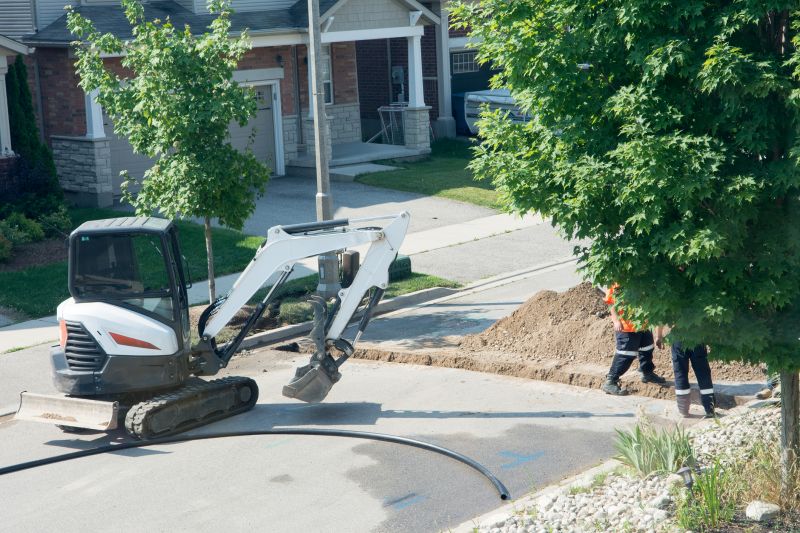
Emergency Gas Line Repair
Prompt excavation can address urgent gas line issues to ensure safety and restore service quickly.
Gas Line Excavation in Salt Lake City, UT

Gas line excavation services involve the careful digging and installation of underground pipelines used for natural gas distribution within residential properties. This service is essential for projects such as installing new gas appliances, upgrading existing lines, or repairing damaged pipelines. Property owners should understand the scope of excavation work required, including site preparation, depth of digging, and safety considerations, to ensure the project aligns with local codes and regulations.
Before requesting gas line excavation, homeowners typically want to know about the process involved, potential disruptions, and the importance of professional handling to prevent leaks or accidents. It’s also helpful to clarify the location of existing utility lines to avoid damage during excavation. Proper planning and coordination with experienced professionals can help ensure the project proceeds smoothly and safely, providing reliable gas service for years to come.
Many property owners in Salt Lake City, UT look into Gas Line Excavation for repairs, replacements, upgrades, and appearance-related improvements.
Common Gas Line Excavation Jobs
Gas line installation - involves safely installing new gas lines for appliances or outdoor use.
Gas line repair - addresses leaks, corrosion, or damage to existing gas lines.
Gas line replacement - involves removing outdated or damaged pipes and installing new ones.
Underground gas line excavation - prepares the site for new gas line installation or repair underground pipes.
Gas line extension - adds additional length to existing gas lines to reach new appliances or outdoor areas.
Gas line rerouting - changes the path of existing gas lines to accommodate property modifications.
Gas Line Excavation Questions
What is gas line excavation? Gas line excavation involves digging to access or install underground gas pipelines on a property.
When is gas line excavation needed? This service is typically required for installing new gas lines, repairing leaks, or replacing old pipelines.
Are there safety considerations for gas line excavation? Yes, proper procedures are essential to prevent damage to existing lines and ensure safe excavation practices.
What types of projects require gas line excavation? Projects include connecting appliances, expanding gas service, or replacing outdated pipelines on residential or commercial properties.
Request Gas Line Excavation in Salt Lake City, UT
Use the quote form on this page to share the basics of your project and request more information for the type of work you need.