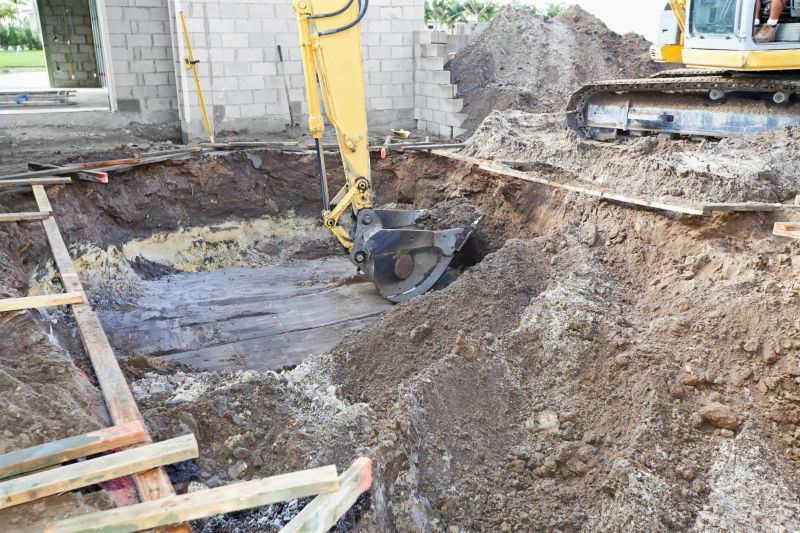
Pool Excavation in Atlanta, GA
Pool excavation services involve the removal of soil and debris to prepare a site for constructing a new swimming pool or renovating an existing one. This process typically includes digging the foundation, shaping the pool’s dimensions, and ensuring proper grading for drainage. Property owners often request this service for new pool installations, requiring precise excavation to meet specific design plans, or for major repairs and upgrades that involve reshaping or enlarging an existing pool area.
Before requesting pool excavation, property owners should consider factors such as the size and depth of the desired pool, access to the site for excavation equipment, and any underground utilities that may be present. Understanding the soil type and property topography can also influence project planning and costs. Clear communication about these details helps ensure the excavation process aligns with the overall pool project and meets property-specific requirements.
Many property owners in Atlanta, GA look into Pool Excavation for repairs, replacements, upgrades, and appearance-related improvements.
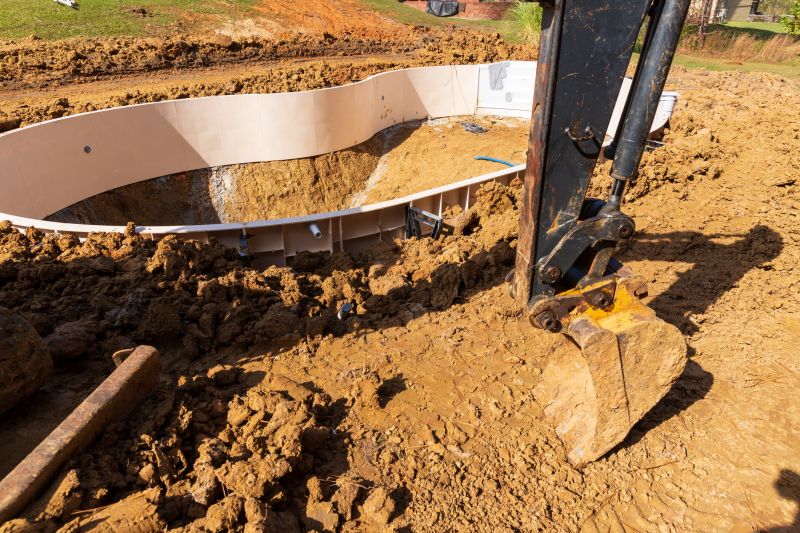
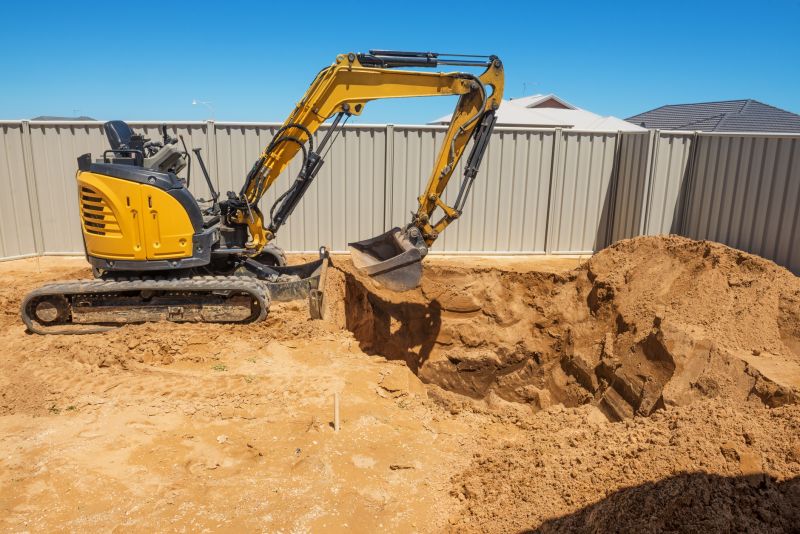
Pool Site Preparation
Proper excavation ensures a stable foundation for your new pool.
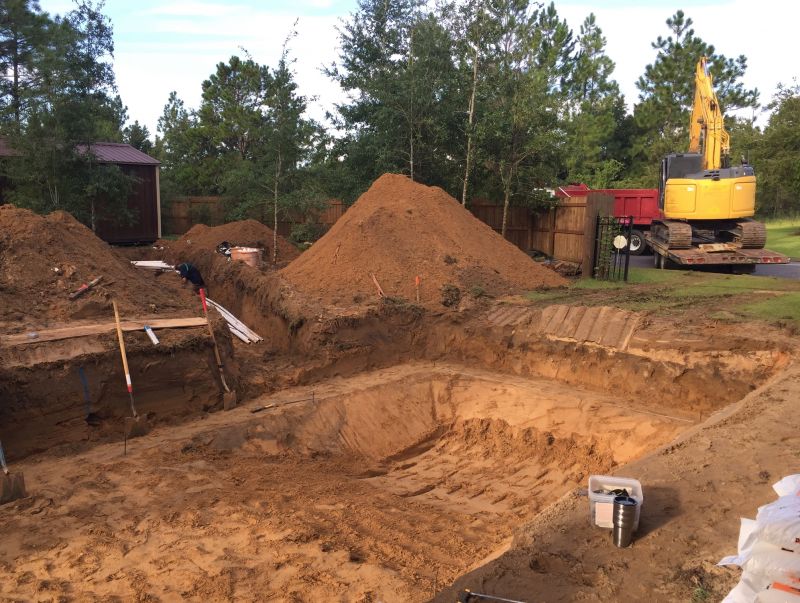
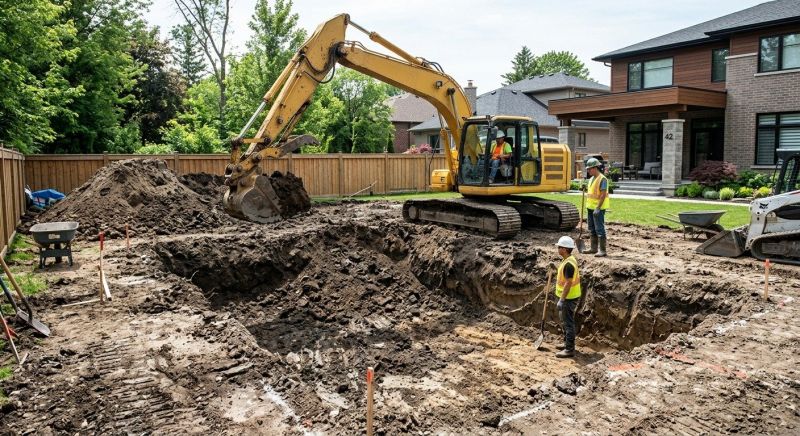
Excavation Techniques
Different methods are used to safely remove soil and shape the pool area.
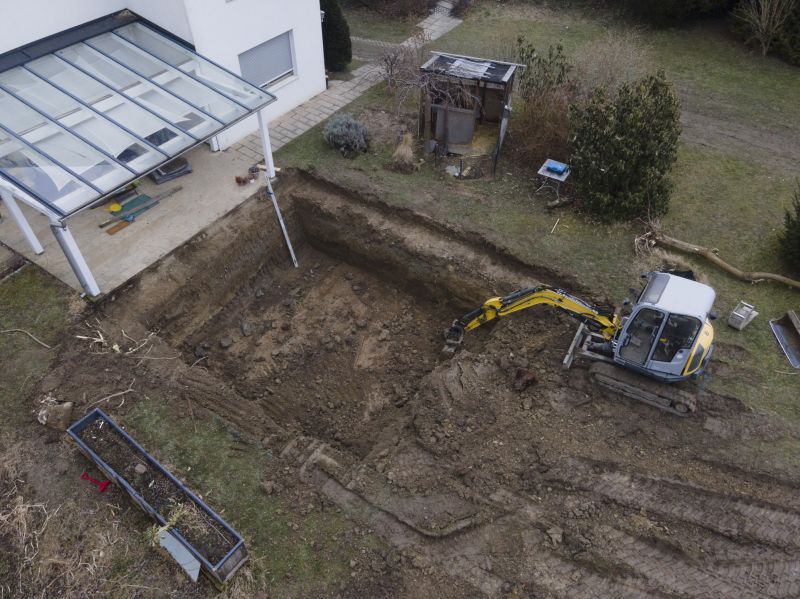
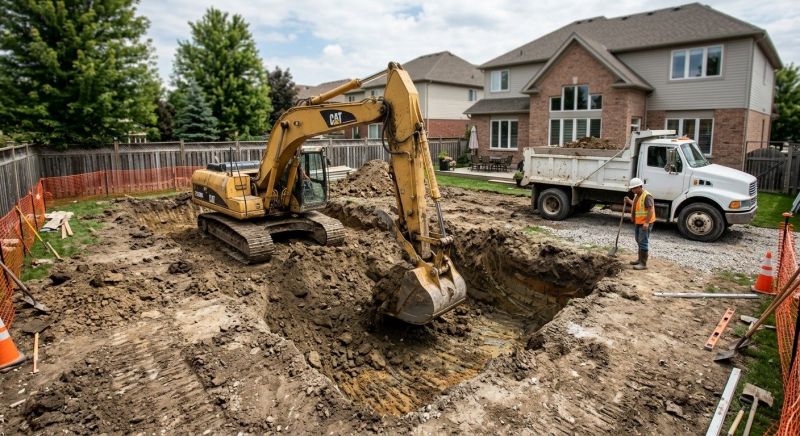
Project Planning & Safety
Careful planning minimizes property disruption and maintains safety during excavation.
Pool Excavation in Atlanta, GA

Pool excavation services involve the removal of soil and debris to prepare a site for constructing a new swimming pool or renovating an existing one. This process typically includes digging the foundation, shaping the pool’s dimensions, and ensuring proper grading for drainage. Property owners often request this service for new pool installations, requiring precise excavation to meet specific design plans, or for major repairs and upgrades that involve reshaping or enlarging an existing pool area.
Before requesting pool excavation, property owners should consider factors such as the size and depth of the desired pool, access to the site for excavation equipment, and any underground utilities that may be present. Understanding the soil type and property topography can also influence project planning and costs. Clear communication about these details helps ensure the excavation process aligns with the overall pool project and meets property-specific requirements.
Many property owners in Atlanta, GA look into Pool Excavation for repairs, replacements, upgrades, and appearance-related improvements.
Common Pool Excavation Jobs
In-ground pool excavation - prepares the site by digging the foundation for a new pool installation.
Pool removal and demolition - involves safely excavating and removing existing pools for renovation or property clearing.
Retaining wall excavation - creates stable foundations for retaining walls that support pool decks or landscape features.
Spa and hot tub excavation - provides precise digging for the installation of in-ground spas and hot tubs.
Landscape reshaping - adjusts the terrain around a pool area for proper drainage and aesthetic appeal.
Utility trenching for pools - involves digging trenches for plumbing, electrical, and drainage systems related to pool construction.
Pool Excavation Questions
What is involved in pool excavation? Pool excavation includes removing soil and shaping the ground to prepare for the pool installation or renovation process.
What types of pools require excavation? In-ground pools, including vinyl, concrete, or fiberglass types, typically require excavation as part of their construction or repair.
How should property drainage be managed during excavation? Proper drainage planning ensures water is directed away from the excavation site to prevent flooding or soil erosion.
What should property owners consider before starting excavation? It's important to assess underground utilities, property layout, and access points to ensure a smooth excavation process.
Request Pool Excavation in Atlanta, GA
Use the quote form on this page to share the basics of your project and request more information for the type of work you need.